



U.S. energy consumption is set to grow steadily through 2050, shaped by economic activity, technology innovation, and policy changes. Efficiency gains and clean energy adoption will moderate demand growth, underscoring the need for balanced, sustainable strategies from providers like Pedison Energy.
U.S. energy demand is projected to rise steadily through 2050, shaped by economic growth, technology innovation, and evolving policy frameworks. Unlike the steep increases of past decades, this growth will be moderate, as gains in efficiency and a shift toward renewable energy temper overall consumption.
According to the U.S. Energy Information Administration, total energy use may grow between 0% and 15% by 2050. This outlook reflects the impact of cleaner technologies, electrification in transportation and heating, and the continued role of economic expansion in driving demand. While population and industrial growth add pressure, renewable adoption and improved efficiency will help balance the trajectory.
For Pedison Energy, this forecast highlights the importance of a diversified approach — combining reliable conventional generation like gas turbines with large-scale renewable solutions. By aligning innovation with sustainability, we aim to strengthen energy security, reduce emissions, and support long-term economic progress.

In the near term, electricity consumption in the United States is experiencing steady growth, with the commercial and industrial sectors driving much of the increase. Expanding business operations, greater reliance on digital infrastructure, and the electrification of industrial processes are all contributing to higher power demand. This short-term trend highlights the importance of ensuring reliable supply and modernising grid systems to meet evolving needs.

Looking ahead to 2050, the U.S. Energy Information Administration projects total energy use to increase between 0% and 15%. The primary driver of this growth is electricity demand, fuelled by economic activity, technology adoption, and population growth. Unlike past decades of steep increases, efficiency improvements and renewable integration will help temper overall energy use, but the long-term trend underscores the critical role of electricity in powering America’s future.

Globally, energy demand continues to rise at a pace that surpasses efficiency improvements. While advancements in technology and sustainability initiatives have helped reduce per-capita energy intensity, rapid industrialisation, urbanisation, and economic growth in emerging markets are pushing overall consumption higher. Electricity remains the central driver of this demand, reflecting the worldwide shift toward cleaner, digitised, and electrified economies.

New technologies and lifestyle trends are creating unprecedented surges in electricity usage. Artificial Intelligence (AI) and high-density data centers require continuous power for compute-intensive workloads. Electric vehicles (EVs) are reshaping the transportation sector with their growing demand for charging infrastructure. Additionally, climate change is fuelling higher cooling requirements across residential and commercial spaces. Together, these urgent drivers are accelerating electricity demand far beyond traditional forecasts, calling for immediate investment in sustainable, reliable energy solutions.

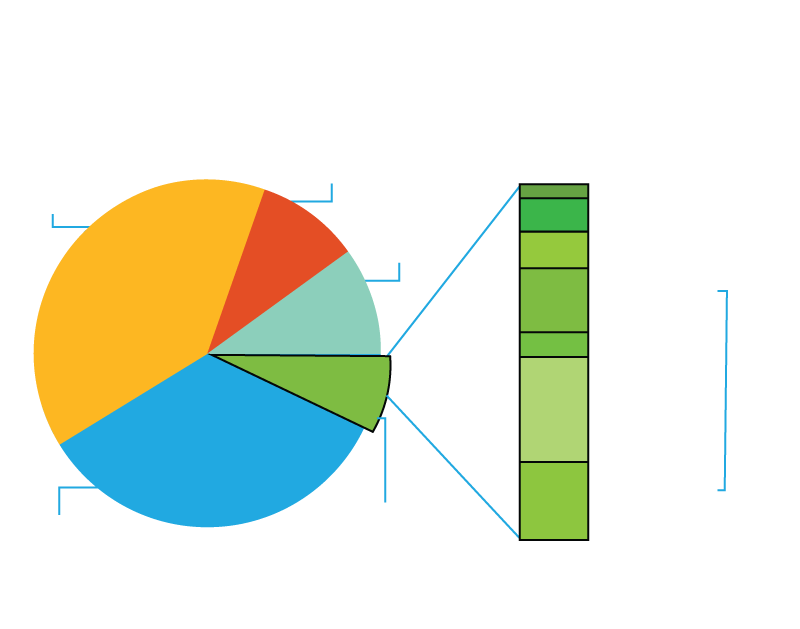
The United States continues to rely on a diverse energy mix to meet its growing demand for power and fuel. Petroleum and natural gas remain the dominant sources, together accounting for nearly three-quarters of total consumption, while renewable energy, coal, and nuclear power each contribute around one-tenth of the nation’s supply. This balance highlights both the ongoing importance of traditional fuels and the steady rise of cleaner alternatives in shaping America’s energy future.
Continuous advancements in technology are expected to enhance energy efficiency across all sectors. More efficient appliances, lighting, vehicles, and industrial processes will offset much of the anticipated growth in energy demand, allowing the economy to expand without proportionate increases in energy consumption.
Renewable energy technologies, particularly solar and wind, will play an increasingly prominent role in the U.S. energy mix. Federal and state-level incentives, corporate sustainability goals, and declining costs for renewable technologies are accelerating this transition, reducing reliance on coal and petroleum-based fuels.
A growing shift toward electrification—especially in transportation and heating—is reshaping energy consumption patterns. Electric vehicles, electric heat pumps, and other electric-powered technologies are expected to increase demand for electricity while reducing direct fossil fuel use in these sectors.
The U.S. population is projected to continue growing steadily, and economic expansion will increase the demand for goods, services, and associated energy use. However, these factors will be partially counterbalanced by efficiency gains and structural changes in the economy.
Federal, state, and local energy policies—ranging from emissions targets to renewable energy mandates—will influence the pace and distribution of energy consumption growth. Carbon reduction strategies may accelerate the shift toward low- or zero-emission energy sources.

The share of renewable energy in electricity generation is expected to rise substantially, supported by natural gas as a flexible backup source.
Electrification and fuel efficiency improvements will slow petroleum demand growth, even as transportation services expand.
Manufacturing and industrial production will see moderate energy growth, with efficiency improvements and electrification shaping demand profiles.
Efficiency standards for buildings and appliances will keep overall demand relatively stable despite population growth.
Gas turbines are a bridge between traditional fossil fuel power and a renewable future. They complement solar and wind generation by providing dependable backup when renewable output fluctuates, ensuring grid stability. With ongoing advancements in turbine design, materials, and hydrogen-fuel capability, gas turbines will remain an essential part of a low-carbon, flexible, and resilient energy system.
Pedison Energy is strategically positioned to address this evolving market by:
The EIA projection highlights that even modest growth in total consumption represents a substantial market opportunity over the coming decades. By investing in innovation, efficiency, and sustainable development, Pedison Energy can play a central role in meeting America’s future energy needs while advancing environmental and economic goals.